
If you’re operating a Shopify store, you’ve certainly encountered a chargeback; if…
8 Niche Markets to Make Legit Money Online

3.
8 Niche Markets to Make Legit Money Online
Welcome to the niche markets topic. Selling goods online could be better explained by comparing it to having a physical store. The expression “jack of all trades, master of none,” reflected in a physical store, also applies to e-commerce.
A generalist can try to do everything, taking up everything that comes his way, but he can never be compared to a specialist. A specialist does a particular thing exceptionally well.
Building your business on niche markets and focusing on such a niche strengthens your reputation and makes you the audience’s go-to brand, giving you an edge over a competing generalist.
This results in the audience trusting your brand because of the unique value proposition in your content marketing.
It makes it easier for the audience and your customers to decide, “This is for me; this is where I can get anything about this item.”
One of the problems business starters and online store owners face is getting the right product idea. To ease this problem, the best and easiest way to begin is to choose a particular niche.
Countless niches are available; you can narrow it down even after choosing and focusing on a niche.
But the ultimate goal is to identify a niche market with a viable customer audience that you can master.
In this article, you will understand what a niche market is all about and how to identify a niche market and find products that are in demand; you’ll also learn eight examples of niche markets that can assist you in your online business.
Table of Contents
What is known as the ‘Niche market ‘?
So, what is a niche market?
A niche market is a small, specific segment of a larger market. It is defined by consumers’ unique needs, preferences, or identities within the market. For example, vegan face wash is a niche market within the face wash market.
A niche market could be defined as a portion of a larger market whose unique attributes determine the audience’s preferences and make it stand out from the market as a whole.
For instance, in a large market where men’s shoes are sold, there are different segments of the shoe market or shoe niches, such as shoes for plus-sized men, shoes for transgender people, and shoes for vegan men. These segments of the shoe market are all niche and submarkets.
You should note that nearly all larger markets can be further categorized into sub-niches based on the preferences and the targeted audience’s needs.
Some of the most popular ways by which a niche can be defined are based on the following:
- The demographics: the user’s (age, gender, education level, income, etc.)
- The price (low, high, moderate, discount, promo, luxury, etc.)
- The geographical location (e.g., availability of products for the residents of a particular country, city or county)
- The level of quality of the product (e.g., economical, premium, handmade, etc.)
- Psychographics (e.g., the upheld values, attitudes, or interests)
Although it’s not easy to choose a product niche, it’s worth the effort, as selecting a specific niche and focusing on it is a strategic decision that will better serve a customer base than competitors who aren’t specialists in that niche.
Examples of niche markets
Although you might have decided on a specific idea or trending product for your online business, one thing that will increase your chances of success is starting with a niche market and then going further to find and capitalize on niche products with market-fit potential.
I’ll try to explore as many larger markets as possible to demonstrate how each contains its own product opportunities and niche markets.
It would be best if you understood that this list of products and niches is the basis for capitalizing on and starting your search for a niche market.
You are not restricted to this list alone; you can always dwell in different areas of business and niche opportunities to start your road to a successful online niche business.
Those who are termed “Conscious consumers.“
The gospel of creating a sustainable environment has been a global call, greatly influencing the business world. Recently, consumers’ preferences have also greatly influenced this gospel.
A survey by Neilson found that about 48% of consumers in the United States say they would “definitely” or “probably alter” their consumption habits to reduce their negative impact on the environment.
An increase in conscious consumers has paved the way for Eco-friendly, vegan, and conventional products with lower environmental impact.
Suppose any product is purchased frequently by the mass market. In that case, there is a high possibility of having more niche products for conscious consumers who prefer Eco-friendly alternatives.
Nowadays, many consumers care more about how the products they purchase are sourced and produced.
For example, beeswax Wrap is gradually replacing plastic wrap among conscious consumers.
They prefer products made from beeswax as a natural alternative because they are Eco-friendly and more cost-effective for the users.
After all, they are reusable.
From the illustration above, Bee’s Wrap is an example of a niche-market product. A more refined niche product idea of the above example is;
- Reusable drinking straw
- Menstrual cups
- Vegan-friendly apparel
- Cruelty-free cosmetics, etc.
The lovely Pet owners
According to a survey in the United States, the total expenditure on the pet industry in 2019 was estimated at $75.38 billion. That’s how fast-growing the pet industry is—it offers plenty of opportunities to establish a niche in this market and develop your business across various aspects of pets, lifestyle, and more.
Take, for instance, Patricia’s Couture, a brand that has carved a niche by selling personalized kaftans, blankets, pajamas, pillows, and other items on which you can plaster your lovely pet’s picture.
Patricia’s Couture lets you print pictures of your pets on its products.
Most people own pets, such as dogs, cats, and fish, as well as unique pets, such as horses, turtles, lizards, chickens, etc., that are dearer to them. They would love to have their pictures printed on their wares. Patricia’s couture leverages these potential opportunities.
The pet market opens an avenue for various pet niche ideas for those who want to exploit them; niche ideas include
- GPS pet trackers,
- pet accessories and pet clothing niches,
- pet feeds (organic pet food and treats),
- pet cameras (for watching and interacting with your pets while you are away from home), or the niche where people can personalize products with their pet’s photos
The LGBTQ+ community
According to Nielsen research, the LGBTQ+ community goes shopping 10% more than the average American consumer, with the will to spend more money, about 7% more.
One of the people who discovered this market niche is TomboyX, an underwear brand that is doing very well. Initially a T-shirt brand, co-founder Fran Dunaway also found this opportunity to capitalize on a specific group of consumers and sell underwear to them.

Making authentic connections with this market is advisable to be in the best market position to serve this niche. The large LGBTQ+ niche offers more niche product ideas.
They include adopting clothing styles made for specific body types, exploring makeup designed for certain skin types, pride-inspired designs, outfits, etc.
The traveler’s niche
Over the last couple of years, the cost of air travel has declined, and the travel industry’s online sales have increased rapidly. In 2018, they increased by more than 10%, totaling about $694.41 billion.
Being a mobile consumer means many avenues are open for business professionals to tap into.
A study says consumers are approaching traveling in a way that is also evolving—Travelers are becoming more environmentally conscious.
According to Booking.com, this has led more than half of travelers to seek more sustainable options, which they find challenging to locate.

This gap is an added advantage for entrepreneurs to leverage on, and it represents a massive opportunity for brands to step up their game and explore and support Eco-friendly initiatives through sustainable products.
What most travelers seek extends beyond choosing green options; they seek maximum convenience, an authentic local experience, and, sometimes, long-term trips.
In 2017, homeschooled children increased by a much greater amount than in 2014, in just 3 years. CNN also reported that by 2020, nearly half of the workforce in the United States and the United Kingdom would be freelance.
This means that traveling, tourism, and longer and immersive trips will be rampant, especially for workers from remote areas who leverage their flexible careers to travel around the world.
An example of a business targeting a niche market of travelers is Nomatic. Nomatic is a luggage brand geared towards the traveler market, especially digital nomads, that places a high priority on functionality.
Their target audience is evident throughout their business model, from the product to the website to the copywriting.
Niche product ideas for avid travelers include the scratch map niche (for people who love gathering information and experiences from travel), traveling accessories niches (smartphones and other accessories for traveling content creators), comfortable, practical athleisure for frequent flyers, etc.
Gamers niche
Children, adults, and parents sometimes get engrossed in playing one game or another to spend time with loved ones or enjoy the moment.
A catch-all term suitable for all types of games, including OC, mobile, console, tabletop, and so on. There are an estimated 2.3 billion active gamers worldwide.
What’s more interesting is that nearly half of these people spend money on games, which amounts to an estimated gaming industry worth about $137.9 billion in 2018.
Shazim Mohammed launched his online game, Glorious PC Gaming Race, with products specifically for gamers. This business has become a seven-figure business that runs on autopilot, selling to a particular niche market of PC gamers.
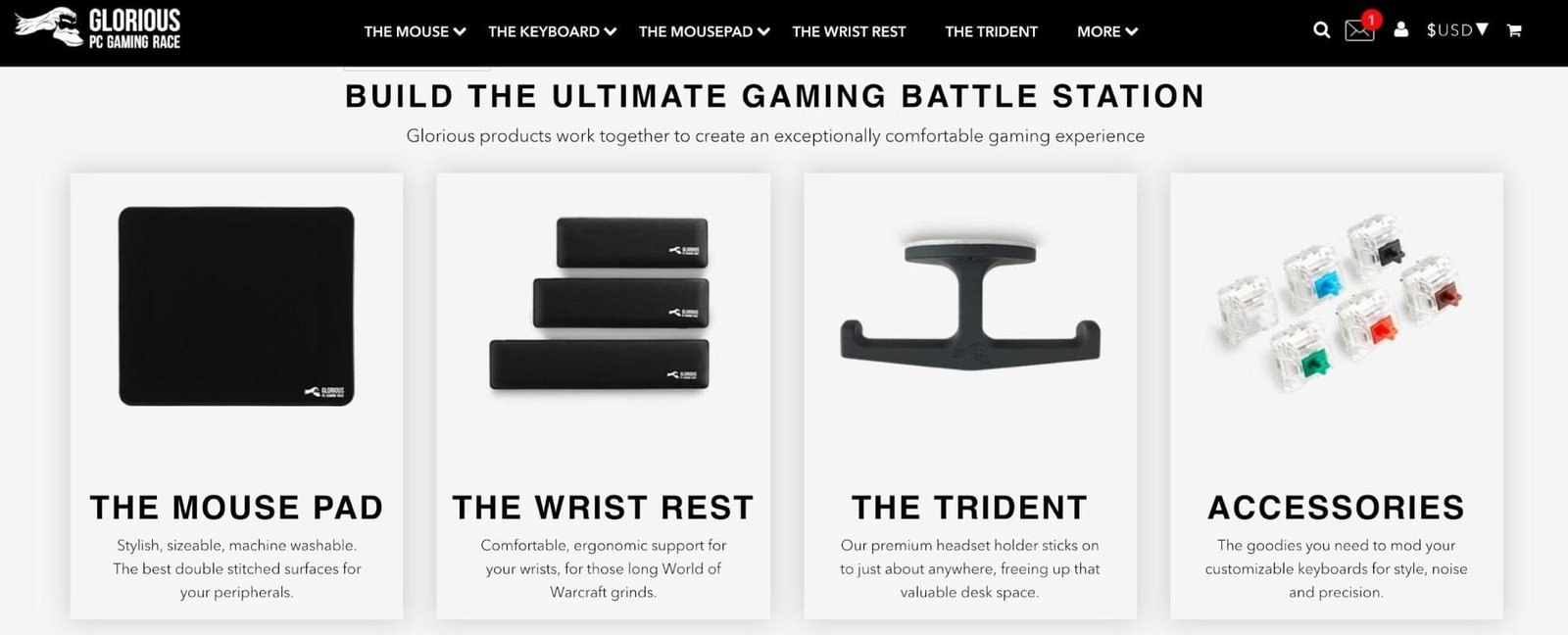
Gradually, Mobile gaming is taking over the gamer’s world, accounting for about 91% of the market. In addition, more women are entering the gaming world than before, a positive trend that shows no sign of slowing down anytime soon.
Tactically, you can choose within this gaming category or niche down the large gaming niche based on factors such as popular genres (e.g., first-person shooters/ war games), or consoles (e.g., Nintendo Switch)
Niche product ideas for gamers to explore include Accessories for games, a fashion niche (T-shirts, polo shirts, baseball caps referencing various aspects of gamers’ culture), and ergonomic products for long gaming sessions (game controllers, gamepads, blue-light-blocking glasses, chairs, etc.).
Homeowners niche
The trend of owning a house is gradually changing; what used to be the norm is no longer relevant. Meanwhile, the percentage of homeowners in the United States is decreasing daily. The high cost of living and low income are reasons for this.
As such, it is not only home ownership that is declining; the actual definition of home ownership is also changing because homes are increasingly being converted into shared spaces or investment properties that generate passive income for owners. This is mainly due to the advent of home-sharing and space-sharing via Airbnb and VRBO.

While those two have opened people’s eyes to the world of possibilities in home investment, August also tapped into a niche idea to launch his keyless entry line and provide home security products explicitly for a set period.
More niche product ideas for entrepreneurs to explore include home solutions for renters (such as no-drill blinds), furniture and home decor for occupants, and installation of home appliances and accessories (such as security cameras, doorbells, smart home devices, etc.).
Remote workers
The rise in self-employed contractors and companies adopting dispersed teams has led to a meteoric increase in remote workers over the years.

Allowing workers to work remotely increases job satisfaction and productivity. Engaging them in remote work gives them greater freedom and a better work-life balance.
An example of a company exploring this niche is “Freelancer at Work,” which offers products to help attract potential clients. They assist freelancers by selling laptop decals that let them advertise their services wherever they work.
Niche product ideas for remote workers that entrepreneurs can explore include laptop accessories for people who like coffee shop work sessions, decor for home offices, desk decorations, or toys for home offices.
Locals Niche
Even the world’s biggest brands adopt approaches to the local market through their target campaigns. They tend to compete with a consumer-driven movement to support local businesses, knowing that selling online can make it difficult to establish a local presence.
Interestingly, there are ways for online sellers to target their city or county as a niche market. An example is the Apparel Company Peace Collective – a company founded in Toronto and expanded, which looked appealing to Canadians nationwide and even fans of different NBA teams.
Niche product ideas for locals include printing or photo-shopping a specific cityscape and its monuments, and T-shirts with mottos or slogans specific to a particular culture or city.
Bring your business ideas to life for $1/month On the Shopify Platform. Click the Image Below.

Related Posts


Hi i’m intrested how can i start.
Hello you need to irst sing up and create your shopify store. Click here if you have no idea how to choose a niche and design shopify store dont worry i help clients do that,i only charge $300 I will do everything for you and hand you ready to launch shopify store.You can contact me by clicking here