
If you are looking for Shopify website builders, you’re obviously trying to…
Is Shopify the Best Ecommerce Platform in 2025?
2.
Is Shopify the Best Ecommerce Platform in 2025?
Moving along, we will look at the best ecommerce platform for starting your dropshipping business. Once you have your business model figured out, the next logical step is to determine what ecommerce platform you will use.
Again, this is for newer people, since experienced people know the ecommerce platforms, and you probably already know what you want to do. You can also read about choosing your ecommerce business models.
But I wanted to highlight what’s available in the marketplace and the best eCommerce platforms for anyone to get started, regardless of the business model you choose.
So, there are many eCommerce platforms out there. Alright!
- Shopify
- Bigcommerce
- WooCommerce
- Magento
They are considered the top four.
These are the most prominent players in the eCommerce world. They all have strong platforms and solutions that differ slightly in what they offer and how they operate, but they’re all big platforms.
Shopify has the lion’s share right now, but BigCommerce, WooCommerce, and Magento also have their own market share. I know people who are loyal followers of what they do.
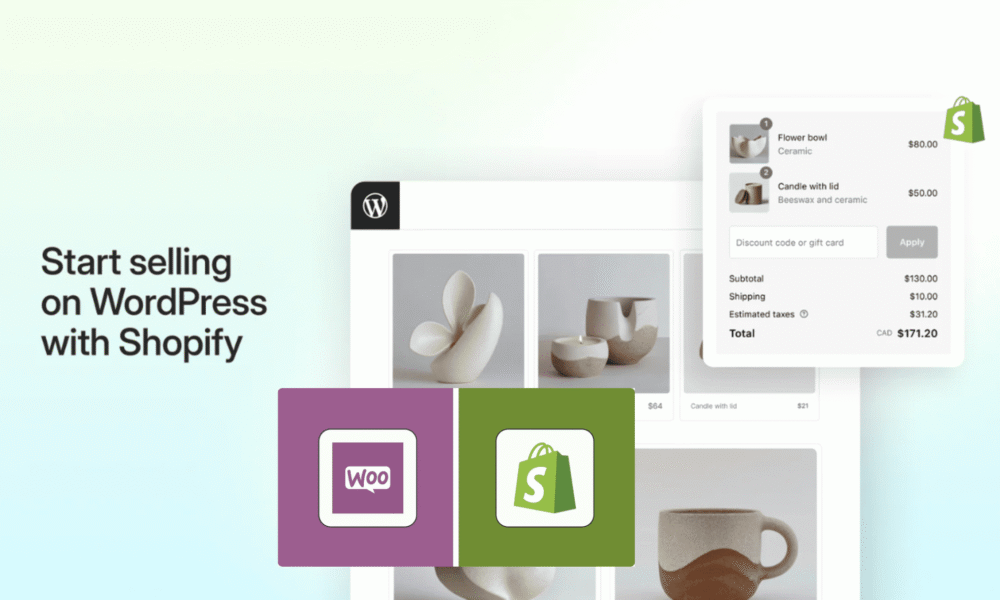
WooCommerce is a WordPress platform. So, people from a WordPress background want to go with WooCommerce because they understand WordPress.
Also, Volusion, 3dcart, and Wix have their own eCommerce platforms. Big Cartel PrestaShop does a bunch of them.
But not all are created. Equally, that’s the most important thing to remember as a person, regardless of your level, whether you already have experience, run your own small retail business, or are brand new.
Choosing a platform that is the easiest to use can help new entrepreneurs feel confident and supported, making the process less overwhelming.
You know, monthly payments versus whatever fees you have to pay payment processors, and you know, all these types of things also go into choosing a platform.
I have experience working in eCommerce for a few years, and I’ve used platforms that have extensive experience working with many others.
So, there is a clear winner out there; from what I’ve seen, the best eCommerce platform is Shopify.
Shopify is that, as I said, the lion’s share of the market right now. That is obvious because they have differentiated themselves as the go-to platform for eCommerce, regardless of the type of business you’re trying to build.
Table of Contents
Why Shopify Ecommerce Platform?
I will give you some reasons; I’m not just going to base this on my theory. Okay! It has a straightforward unified user interface, which is so important. You can’t underestimate how important an interface can be to a platform.
Is Shopify The #1 Ecommerce Platform?
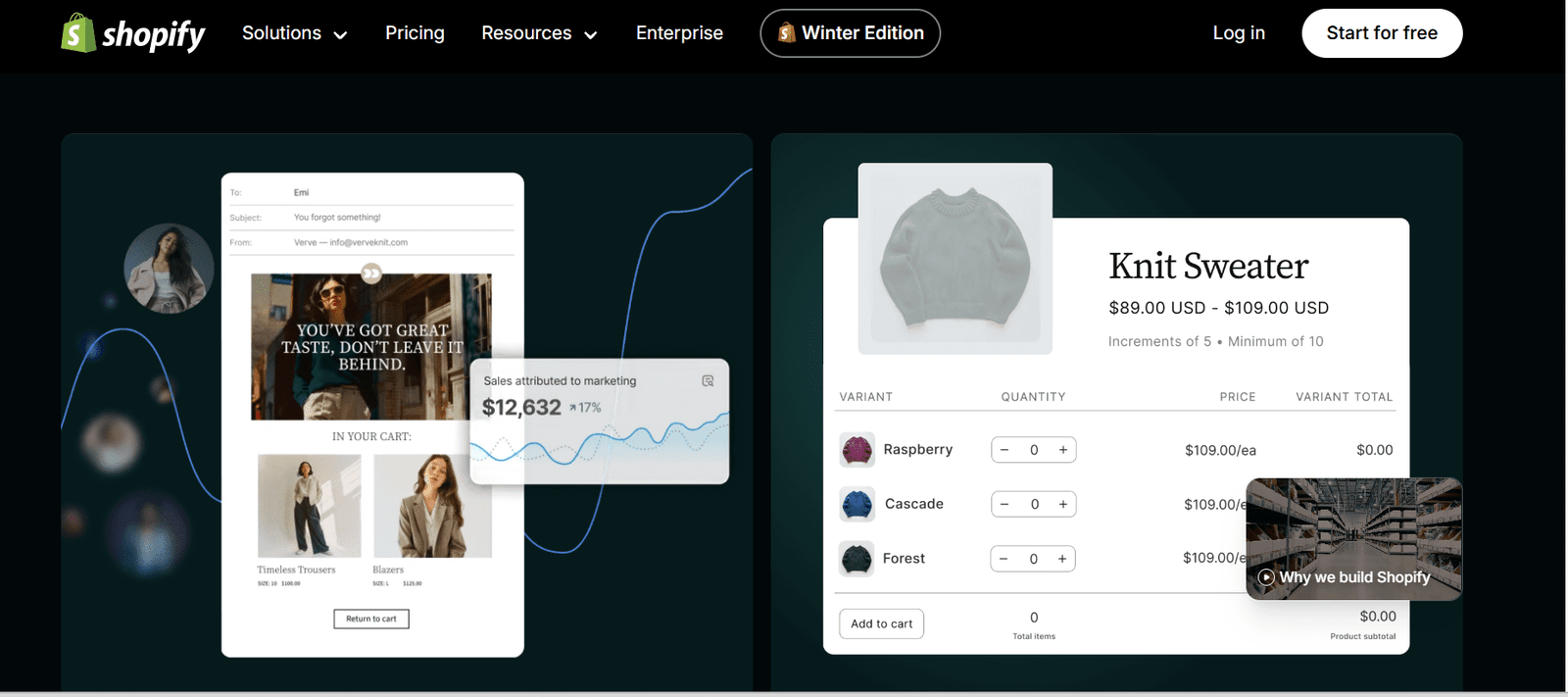
Shopify is an e-commerce platform that helps businesses build their online stores. Shopify merchants can sell products or services on social media sites and marketplaces. Shopify also sells point-of-sale (POS) software that small businesses can use in their brick-and-mortar stores.
It has to be easy to navigate, use, and set up. One of the reasons I love Shopify is that it’s easy to use. You don’t have to be experienced, and you don’t have to know your technical background or coding.
Those things help, but you don’t have to know or understand them to become a Shopify Pro; they’ve set up a very easy-to-understand user interface and multiple plans.
So, there are plans, no matter what level you’re at in your business, alright, and $29 a month to operate a store that can make thousands of dollars a month is extremely reasonable. Keep in mind that Shopify charges transaction fees unless you use Shopify Payments, so factor this into your store budget.
Shopify offers direct integration in many countries, including the US, Canada, the UK, and some European countries. I’ll talk about this.
But then there’s a theme that charges you based on your transactions, and Shopify offers seamless integration with many popular payment gateways, including PayPal, Stripe, and Shopify Payments. Choosing the right payment processor is crucial for smooth transactions and customer trust.
Shopify Apps
One thing that sets Shopify apart is the hundreds of apps available. There are thousands of apps, and over 2000 are on the Shopify app marketplace.
These apps are tools you can install in your store that add more functionality and customization, helping you create a unique experience, increase conversions, and sell more. There’s another app.
Marketplace Tick competes with a simple setup, great hosting, and load times. Now you know this is like the super experts out there.
You understand that Shopify is a shared hosting platform, meaning all stores using Shopify share the same server. While this can raise concerns about performance, Shopify’s infrastructure is robust enough to handle significant traffic, as seen with brands like Tesla and Kylie Cosmetics, so you can trust it to support your growth.
There’s a slight disadvantage to that: you’re not controlling your server, but you don’t need to worry about it.
Massive brands like Tesla, RadioShack, and Jim Shark run on Shopify; an enormous brand, Kylie Cosmetics, is getting tons of traffic and running just fine on Shopify’s shared server.
But it is important to note that if you want to use your own hosting, Shopify doesn’t allow it.
Fantastic support
Shopify support is hands down. I’m like, compared to any other app or software I’ve used, they’re always there; they’re easy to chat with, connect, and get an answer, even if it’s an answer you don’t like.
You know you’re always going to get an answer; you’re always going to have to find somebody. They even include an hour of free tech support for any brand-new store, like an hour of not even tech support – Tech support is always free, but there’s an hour of design customization for free that you can get from Shopify.
Shopify’s excellent support can reassure beginners and make them feel cared for, helping them feel less alone on their journey.
You have to have a community, and you don’t have to, but it makes it a lot better, it makes it a lot better of a journey for you, a lot more inclusive.
Shopify has an excellent blog; they have case studies, they have fantastic training, like honestly awe-inspiring stuff, and there are also a lot of communities out there that are built around people using the Shopify platform.
So, you get a lot of direct feedback, interaction, and training from others who can share their successes and failures, what works for them, and tips and advice you can take direct action on because you’re using the same platform.
Right! Again, it works smoothly for all business models, whether you’re dropshipping, selling products through demand, selling digital products, or selling subscription products, as you can integrate any business model into the Shopify platform.
Professional Themes
There are a few things that I want to highlight as we go through this. Shopify offers free professional ecommerce themes; now, that’s not to say other platforms don’t, but I think Shopify has some fantastic out-of-the-box plug-and-play themes.
It’s really good for getting started, having a professional, clean, nice-looking theme. And that’s the advantage!
You want your store to look professional, and with a Shopify store, setting up with one of their free themes doesn’t cost a dime. You can have a store that was just created a week ago that looks like a well-established, well-branded, very professional store.
So, that’s a significant advantage to using these free themes. They also have paid themes you can use if you want more customization. These apps aren’t all free; some are free, and some are paid, but there is something.
For everything in here, you can see their categories: finding products, different channels you can link directly to Shopify, Etsy apps for your store, apps to help you, and marketing apps to boost sales and conversions.
You can see them all, which is a massive advantage because you want to customize and create your brand and store however you wish.
When we get to the apps, because it can be overwhelming, there’s so much out there, and not all apps are great.
Now, they all have their review systems, so you can see which ones are better than others, but again, this is so valuable because it shortens your process for building a world-class, super-powerful, turbocharged store.
It’s like a difference between owning a Hyundai or a Ferrari, and nothing against anybody who owns a Hyundai. Still, there’s a massive difference in the performance of those two machine types.
It’s the same with your store: you want it calibrated to the maximum performance it can achieve, and with over 2,500 apps in the Shopify store, you’re just going to have that high-performing machine.
Now, let’s talk about some of the specifics. These are things to consider when choosing ecommerce platforms. Shopping cart: This is huge; this is where people check out and enter their credit card to make a payment.
And the shopping cart on Shopify, I want to highlight some of these benefits because it’s one of the things that helps them stand out. I took their shopping cart process for granted for a long time, but it’s not as simple as they make it seem.
SSL Encryption
So, they have a free SSL certificate; some platforms don’t even include one. Shopify consists of this for free because it uses shared hosting. If it’s not shared hosting, you’ll have to get your own hosting, and that’s an extra layer on top of what you need to do.
Payment Gateways
They can integrate with a hundred different payment gateways now; a lot of payment gateways come down to what’s available in your part of the world, like I said, you know, for countries like the US, Canada, United States, Germany, Japan, Singapore, or France, I believe Australia maybe, I’m not sure about Australia, but they all offer Shopify payments.
Shopify Payments is Shopify’s integrated solution that works directly with Stripe, allowing you to set up and start processing payments.
In other countries, there are still over 100 external payment gateways you can integrate with.
Shipping Set Up
Some are better than others, you know, and that’s going to come down to what you choose, but no matter what, there should be an option for you to integrate.
You can offer free shipping and multiple shipping tiers, which is nice. You may have to ship. You could say orders over $75 come with free shipping, or you know, order three items, and you get free shipping, so you can completely customize and control how the shipping process works, which is advantageous.
Multiple Languages
The online checkout store, as you see, comes in 50 plus languages, and you can translate your store; there are multiple apps to translate languages, so there’s a lot of functionality there, depending on who you’re selling to, where in the world, or if you’re selling all around the world.
Automatic shipping rates
If you want to integrate, say you’re a small business owner or selling a product and packaging and shipping it, you’ll want to integrate with one of the major carriers. So they have that automatic integration with UPS, USPS, FedEx, and DHL.
Abandoned checkout recovery
This is a cool feature, but I have a better recommendation for what you should use for abandoned carts. We’ll talk about that in the future if you don’t know what that is yet, since you’re brand new. Don’t worry, you’ll know by the end of this month.
As I mentioned, flexible shipping rates already include automatic taxes. Again, that’s nice. You don’t have to worry about it; you can set your tax rules. I’m not a tax attorney, so I’m not even getting into that, but Shopify lets you handle that kind of stuff based on your country and state, if your country has States.
Store management
Managing everything from customers to your accounts to fulfillment centers, like there’s so much flexibility here. I’m not going through every single point, but I want you to see that one of the other reasons I really like Shopify is just the management of what you can do.
It’s very easy to process refunds; if you need to, you can do it all right from your smartphone, which, again, their smartphone app is good. So, you can watch your store set up and run it right from your phone.
Order Processing
As soon as an order is placed, it is routed to your supplier, who can fulfill it, update it in your store, and provide a tracking number. This is all happening automatically behind the scenes.
Again, that’s not something to take for granted; some platforms don’t do that. That’s powerful and, again, depending on your business type.
SEO & Marketing Aspect
This is an important one: marketing and SEO. So, let’s talk about both. Let’s talk about SEO. Now, I will say this: WordPress is pretty much the undisputed best SEO platform. I don’t think anybody will dispute me on that, but Shopify is good.
They have a well-built search engine optimization, already customized right within the platform, and that comes down to some technical details about how they let you set up your page and customize your title tags and meta tags.
Do they generate a sitemap for your products and blog posts? Yes, they do, and there are even apps that help you take it a step further if you want to optimize and turbocharge your SEO.
This is important for people who might be getting into a specific niche, because it can help in the long term. SEO is a long-term game, but it can help drive organic traffic to your store and boost sales.
On the marketing side, you can offer great promotions like discounts and gift cards that integrate directly with all the major social platforms.
Product Management
And then, when it comes to your products, you have complete control over how you set them up. Alright! When you import or set up a product, you can track inventory if you want to.
You can do multiple variations; each variation can be broken down by price, weight, and SKU, however you want. You can organize products by categories, various things here, as you can see.
You can even sell digital products and look nice; there is an unlimited product, there’s no limit to the number of products, and within that, even cooler – not only is there no limit to the number of products, but all those products could have multiple variants in multiple different, you know, prices and lots of other images.
So, your store can be mighty and robust, and you don’t have to worry about hosting, crashes, load times, or that kind of stuff, because it’s all integrated smoothly into Shopify’s existing platform.
Read Also:
- How To Add A Font On a Shopify Store To Improve Typography
- How To Transfer Wix Domain To Shopify
- How To Use Shopify Magic AI For Your Ecommerce
- How Does Shopify POS Work For Your Business
- The Best Converting Shopify Checkout Tool
Web Hosting
As mentioned, this brings us to web hosting, so there’s unlimited bandwidth. That means you can have unlimited visitors, even on the most basic plan.
Now, you would probably want to upgrade to a higher plan for good reasons, but it’s nice to know they don’t limit you on that.
You can create automatic email forwarding, and then all this other stuff that’s just level one PCI compliant, you know, that’s for credit cards, as you can see, they give you the SSL certificate.
You get instant upgrades to your store, always upright, no matter what, and while they have had situations in the past where there’s been downtime on the store, meaning like something might have gone wrong, or the server might have gone down, it’s always up quickly, 24/7 monitoring.
Analytics
Another essential part of having the store. Having dashboard analytics is nice because you can see your traffic. One of the things they do well is show your, like, dashboard.
You can monitor progress at a basic level. You can get more in-depth with Google Analytics and Supermetrics, and install tools to break it down to the nitty-gritty.
When you get to a higher level, you should focus on traffic and ad spend, but at the most basic level, it’s pretty advanced, with you know what you can track and see.
You can generate reports to see what’s selling, where it’s selling, and when it’s selling, like you can see all of this stuff right within your Shopify dashboard.
How many visitors? How many returning customers? What is my purchase conversion rate? All these types of things? What is my top-selling product?
What is the landing page people are visiting the most? Okay! So that’s important, all built in, and you can see that.
Pricing
Finally, looking at the pricing tiers of Shopify.
So as you go up in the plan, your transaction fee drops down, which makes sense, right, like if you’re doing, say, when you’re starting, this is where everybody starts. Still, when you get to say you’re doing fifty thousand dollars a month in sales, that point five percent is going to make up for the difference.
Right, so it makes sense to be here; this is a nice middle ground because it includes the one main thing not included here: full reporting functions.
Now, here’s the free trial link for you to start.
I hope I gave you an in-depth look because it is crucial and shouldn’t be taken for granted. That’s why I wanted to cover all those details and, hopefully, have convinced you by now that Shopify is where you should be.
You can sign up with that free trial now or in the future when you’re ready to build your store. Is there anything that wasn’t covered in this ecommerce platforms post that you think is helpful?
Which ecommerce platforms did I leave out?
Bring your business ideas to life for $1/month On the Shopify Platform. Click the Image Below.

Related Posts
Comments (0)